
Just chuffed to have Matt Zwolinski join the pro-democracy voices among market/classical liberals.

Democracy Belongs on the List
Classical liberalism has sometimes been suspicious of democracy. But it shouldn’t be.
liberalism.org

Has favorites — 15 sources in 90 days
Also a writer — 2 original pieces this quarter
Just chuffed to have Matt Zwolinski join the pro-democracy voices among market/classical liberals.
Democracy Belongs on the List
Classical liberalism has sometimes been suspicious of democracy. But it shouldn’t be.
liberalism.org
This (unsurprisingly terrific) reframing of civilization and barbarism from Jason Kuznicki is a valuable one for those answering a charge that liberalism has no values of its own to defend.

Liberalism and Civilization
In defense of a word. And a worldview.
liberalism.org
If you read this, you'll need a big exhale after.

In the Ukrainian city of Kramatorsk, drones rule the skies and everything below
The last Ukrainian-controlled corner of Donbas has become a focus for both sides
theglobeandmail.com
This statement on mathematics, knowledge and intellectual work, and how we use AI feels important.

A Severe Misalignment of AI in Mathematics
I am proud to be among the list of 25 initial signatories — all Fields Medallists — to the declaration below, which grew out of discussions between ourselves over the last week. We have…
terrytao.wordpress.com
Sarah Skwire is terrific in this piece on virtue signalling and liberal progress.

Bite by Bite: The Value of Virtue Signaling
Don’t discount the effectiveness of a cheap signal.
liberalism.org
I mostly co-sign this analysis of where the trade war's at from the CBC's Aaron Wherry.
%3BResize%3D620)
ANALYSIS | Trade 'war' or not, are Canada and the United States now dug in? | CBC News
Jamieson Greer, the U.S. Trade Representative, might not like to think of it as a trade 'war.' But whatever you call it — a difference of opinion? an incongruity? the unpleasantness? — it's been going for more than 19 months. And it seems now that it could be several more months before hostilities are reduced, let alone ceased.
cbc.ca
The folks at CapX asked me to put together something on the Canadian perspective on the trade war. I hope to emphasize that we're not in an old-school trade war aimed at improving economic outcomes. Actually, it might be an older-school trade war: It's about power and dominance. That changes things, and not in a good way.

Canada is fighting back against US tariffs
They are willing to pay some price simply as an act of defiance
capx.co
Useful for thinking about the consequences of having so much research about AI and its consequences funded by companies that either produce or rely on AI.

Opinion | The Research We Need to Understand A.I. Is Falling Apart
Just as A.I. is poised to change the world, we’re losing our best ways of studying what that change will look like.
nytimes.com
On the Canada-U.S. trade war as an information war, and what that means for smaller powers in the crosshairs of the anti-trade United States.

The Game Theory of a Trade War
How do you win a trade war? Let’s find out
bugeyedandshameless.com
Political coalitions emerge when the benefits of more tightly organized political action outweigh the foregone benefits of uncompromising, dispersed, and purely principles-based action. Liberals should tenaciously keep the disagreements with our coalition partners as live disagreements rather than suppressing them. Because liberalism needs to be defended not only *by* coalitions, but also *within* them while they exist and *without* them after they end.

Tribes, Coalitions, Parties
A theory of how political organizations form, cooperate, rise, and decline.
liberalism.org
Matt Zwolinski with an important corrective to the way a lot of us talk about politics.

Not So Obvious, Not So Simple
When you hear that good politics is always simple, think twice.
liberalism.org
Insights on how the time factor in negotiations play a similar role for Canada and Iran in dealing with the Trump administration.

Time is a Weapon
Tehran and Ottawa can read a calendar, too
musgrave.substack.com
A lot of what's repellent about the most aggressive AI cheerleading is how often they seem to feel that what we all need to avoid is living our lives.

Mark Zuckerberg doesn’t understand how to live
An AI future of sleek, streamlined, and totally empty relationships.
theverge.com
New from Shal Marriott at Liberalism.org Moar Shklar!

Liberal Toleration and Ordinary Vices
Hypocrisy, snobbery, betrayal, and misanthropy are everywhere. Here’s what to do about it.
liberalism.org
If you're someone who's always low-key horrified by the viciousness people want from incarceration, this one's for you. "They listened closely as their Norwegian counterparts explained that the 'restriction of liberty' alone should be the punishment for crimes. Additional deprivation, dehumanization, and abuse had no more place in prisons than in any other part of Norwegian society."

15 Years Ago, Anders Breivik Massacred 77 People. Norway Is Determined to Treat Him Humanely.
Our prisons, ourselves.
thenation.com
Badass.

She plays Matt Damon
After years behind the scenes, stunt performer Devyn Dalton is finding unexpected fame.
thespec.com
I don't know what fighting back should look like, but it seems obvious at this point that our ordinary/old framework for thinking about what everyone's trying to accomplish is out the window.

Opinion | ‘You Aren’t Going to Like What Comes After America’
Remember when ‘blame Canada’ was a joke?
nytimes.com
The story behind the outrage over this rather sweet painting, Christ in the House of His Parents, unexpectedly involves a furious Charles Dickens and the softening of Dickens' antisemitism.
Just a moment...
artinsociety.com
Agreed with @Jake that this is incredible reporting on Canadian and European leaders' response to Trump 2.
wsj.com
wsj.com
Recommended reading for writers. (It's not what it sounds like.)
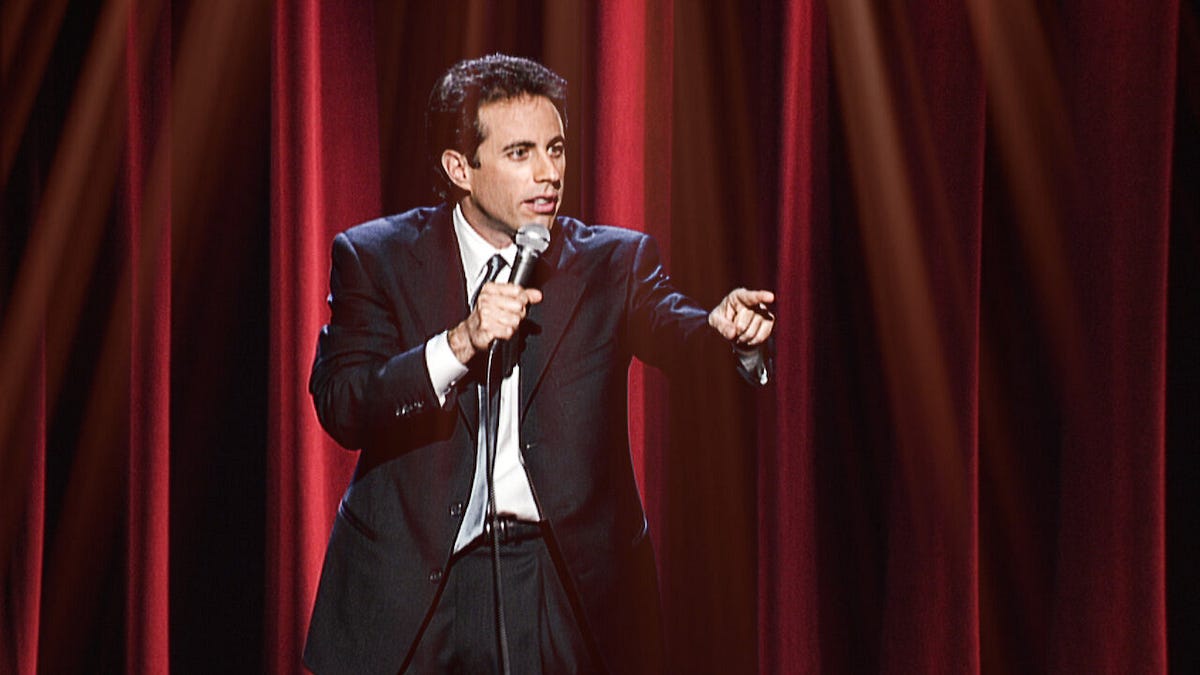
Cancelled! Cancelled! Cancelled!
None of you are free of sin!
huw.substack.com
Terrific reporting about a story I can't believe I've never heard.

It’s One of America’s Greatest Cold Cases. No One Remembers It. The People Who Were There Wish You Would.
When I began contacting the survivors, they thought I was a prank caller.
slate.com
Today at Liberalism.org, I propose a model of thinking about our politics in terms of clear principles that can act as coordination points for people with many different motivations, beliefs, resources, and plans of their own. My hope is that it helps liberals better navigate the political world we're in today and shows them that today's politics are politics that principled liberals can and should join.

A Liberalism of Principle, Not Program
Slavery’s opponents knew how to keep things simple. Today’s liberals should do likewise.
liberalism.org
An oldie but a goodie.
The Shortcut to Serfdom - Niskanen Center
It is well-known that the classical liberal economist F.A. Hayek dedicated The Road to Serfdom to “socialists of all parties,” and wrote the book “as a warning to the socialist intelligentsia of England.” I suspect we now understate the importance of these facts. After decades of the Cold War and self-conscious conservative-libertarian “fusionism” in both the […]
niskanencenter.org
The praise for this one is justified.

Let Us Reflect
Why Greenwatergate has stuck when so many other incidents have not.
liberalcurrents.com
"The ability to get pregnant, in our society, means that for the duration of your fertile years, you’re seen with double vision, like a ghost of yourself superimposed over who you actually are."

Diabolical Motherhood | Defector
On June 25, 1976, three and a half years after Roe v. Wade made abortion legal in the U.S., The Omen hit theaters. Most viewers remember the high-drama deaths—by impalement, decapitation, hanging—or the creepiness of Harvey Spencer Stephens’s young Damien, or Gregory Peck’s commanding gravitas. But I always remember poor Kathy. Katherine Thorn (Lee Remick,…
defector.com
Strongest recommendation for Jason Kuznicki's latest at Liberalism.org.

Against Friends, Against Enemies
On the liberalism of productive ambiguity. And pineapples.
liberalism.org
This important piece offers a corrective to what Aligica calls the "inherited arguments" of globalised liberalism and suggests a way forward for liberalism's defenders.

Liberalism in the Age of Weaponized Interdependence
Liberalism must abandon the assumption that, in international trade, cooperation is the mature stage, and conflict the primitive one.
liberalism.org
Essential reading on the Declaration of Independence, its underlying values, and the mess the United States finds itself in as the 250th anniversary of the Declaration approaches. From Jacob Levy at Liberty Fund.
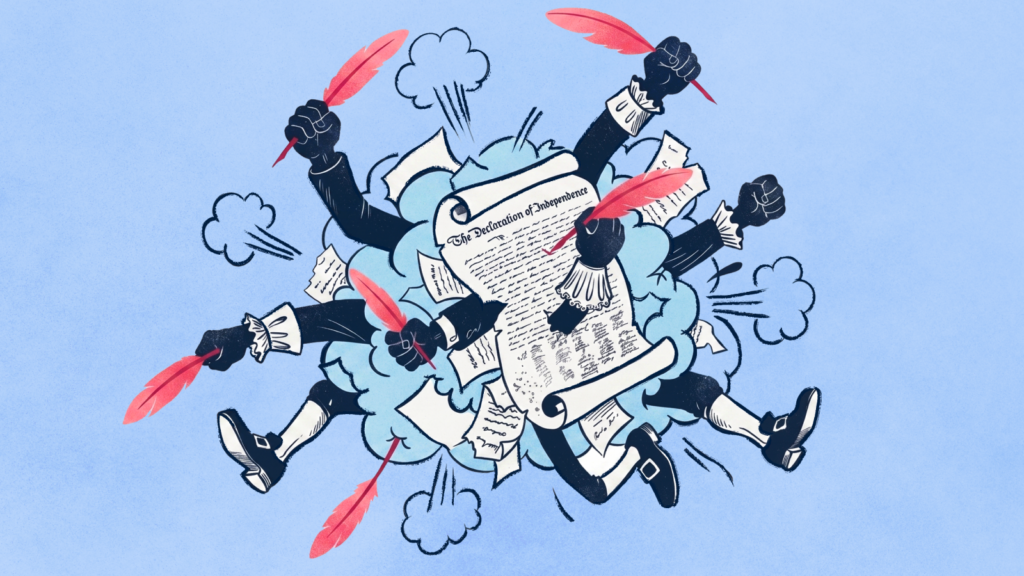
When a Doctrine Becomes Destructive of These Ends
libertyfund.org
This 1998 book review of Liberalism and Its Discontents by Michael Ignatieff is terrific and, despite the date, timely.
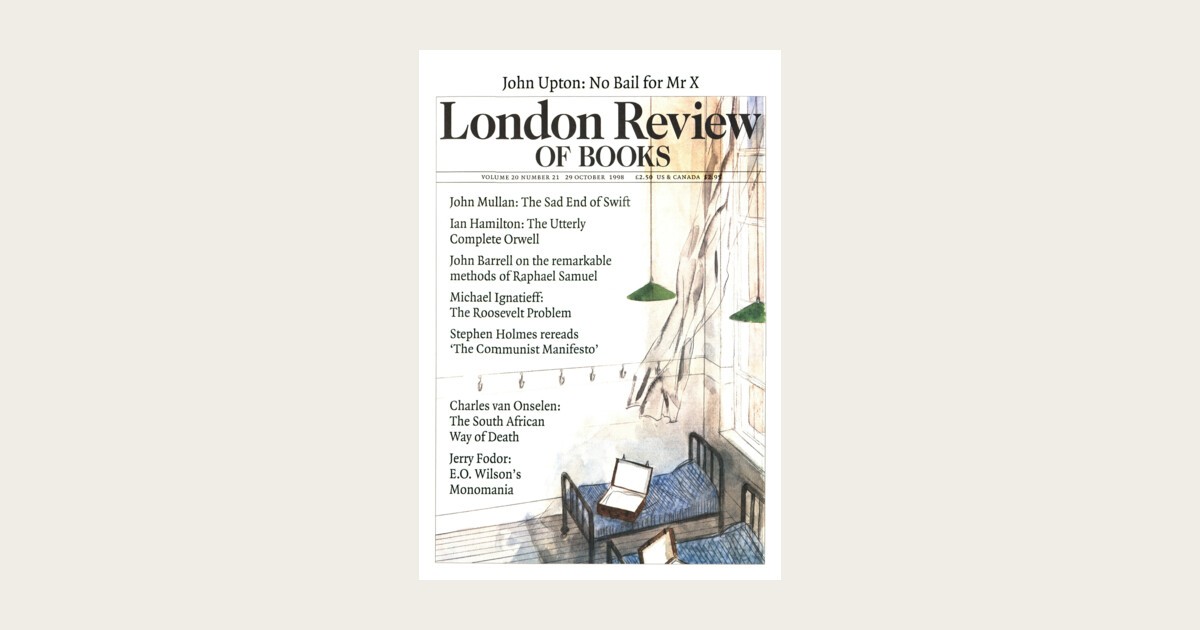
Michael Ignatieff · How liberals misread their own history: The Roosevelt Problem
lrb.co.uk
My piece this week at Liberal Currents: on the long push (including in this piece) to convince classical liberals they can rejoin the left to work against authoritarianism and why it's taking so long. It is based on having worked through what happened politically around me as the postliberal moment emerged from the apparently libertarian one. It holds out a hand to those still where I was and tries to show a way forward.
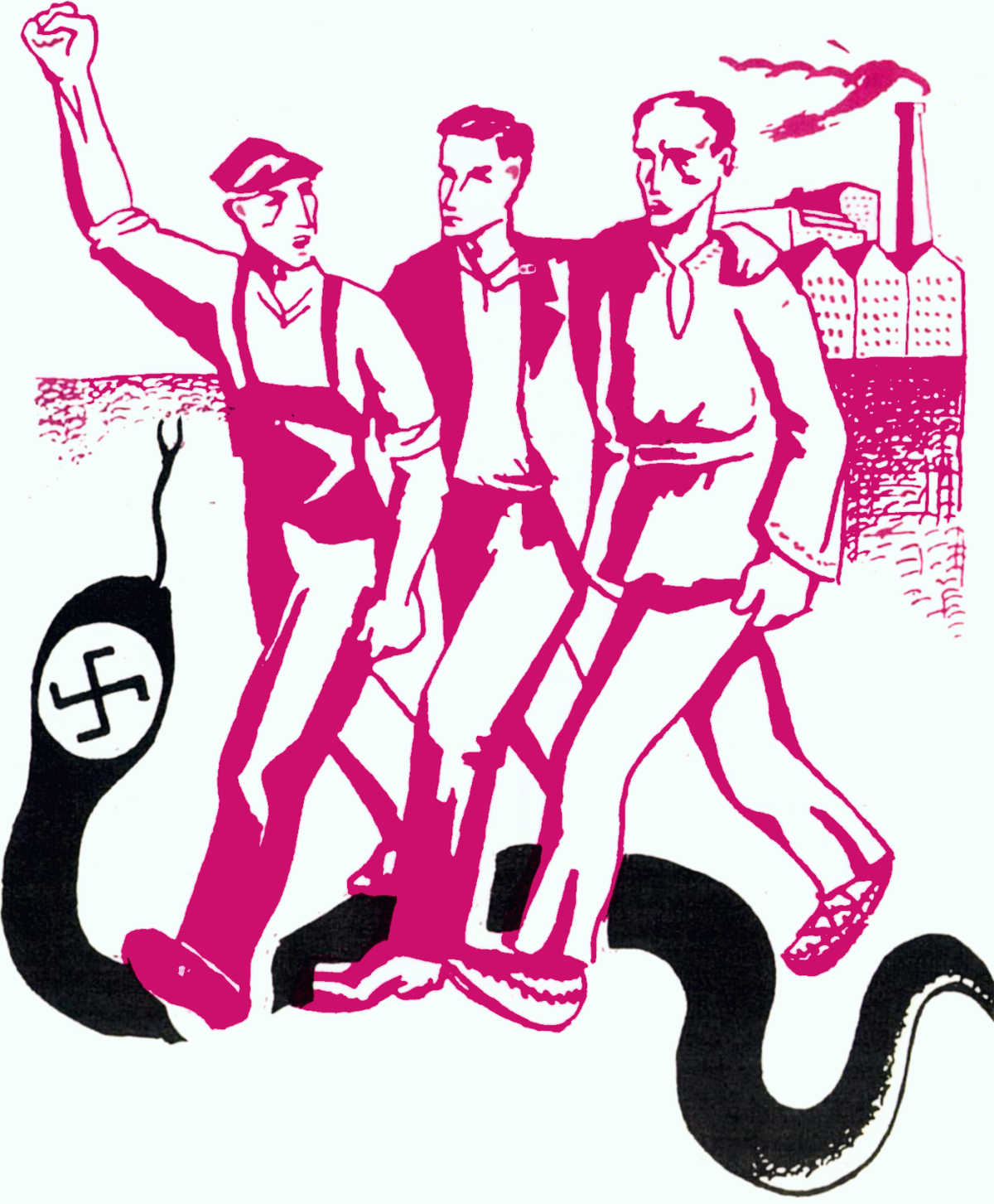
Liberalism Reunited
Classical liberals must rejoin left liberals in fighting for emancipatory politics and against the illiberal right.
liberalcurrents.com
This long read tells an amazing story. Adam Serwer said of it: Racism is real, but race is fake.

A Family Secret No More
One fateful decision 100 years ago created parallel lives. How does a family broken by the bizarre rules of racism heal itself after three generations apart?
nytimes.com
A good breakdown of the evidence from 2024 in the US of "moderating" messaging from the left by making it more congenial to the right. Moderating is based on the theory that the winning electoral strategy for the left is to position around a fixed, large set of voters who favour median policies + belief that elections are a bad time to try to move voters. As with UK Labour, the *quantitative evidence*, which is supposed to matter so much to the technocrats, says this is worse than useless.
Political Strength Training: Immigration Ads That Move Trust Towards Dems
Democrats need to rebuild their brand. Neither mimicking Republicans nor ignoring the problem will work. Here’s what will.
chartingthewayforward.substack.com
"The Peterson family, by contrast, presides over more than a dozen companies. And the only (contested) information we have about their inner workings come from this lawsuit. There’s nothing inherently nefarious about this, but Peterson — and others like him — frequently position themselves as more trustworthy and reputable than mainstream media."

Gift-redeem
thestar.com
"It’s fine to just ignore these stupid projects but maybe also we should mention sometimes that this is all part of the systematic hollowing out of news institutions that once did very good work that people cared about."

At Least We Know the Washington Post Isn't Buying Views
Jeff Bezos learns being good at YouTube is not so easy.
404media.co
A valuable piece on political violence to refer back to. Not that I want reasons to.

The Assassin’s Delusion
Violence serves an authoritarian agenda.
theatlantic.com
This is very good. Not, you know, uplifting. But very good.

The Age of No Innocence
What if all you knew was extremist politics? Welcome to being young in America.
thewesternedge.media
Reading this 2018 article as I try to wrap my head around Callais.

The Supreme Court Is Headed Back to the 19th Century
The justices again appear poised to pursue a purely theoretical liberty at the expense of the lives of people of color.
theatlantic.com
Jacob Levy pulverizing the idea that liberals can't fight back because they're prevented by commitments to neutrality or civility, apparently with a baseball bat.

Liberal Neutrality and How to Fight For It
Defending liberal political norms doesn’t mean always reaching across the aisle. Sometimes, liberal neutrality means playing hardball.
liberalism.org
A very uncomfortable subject for those of us who have struggled with eating disorders. I think this is a realistic take. (the answer is "no" but still depressing.) Additional note: I am pessimistic libertarians writ large will take the body autonomy position here, at least in the short run. The libertarian movement provided tons of reinforcement for my disordered eating. (no sugar! no breakfast! no seed oils! one meal a day! etc)

Will Obesity Be Legal After Ozempic?
A provocation
open.substack.com
Part 2 of the piece I posted a few days ago. If you don't know this stuff, you will absolutely talk past people who disagree. (If you're the kind of person who gets into "Were the Nazis socialist?" conversations.)
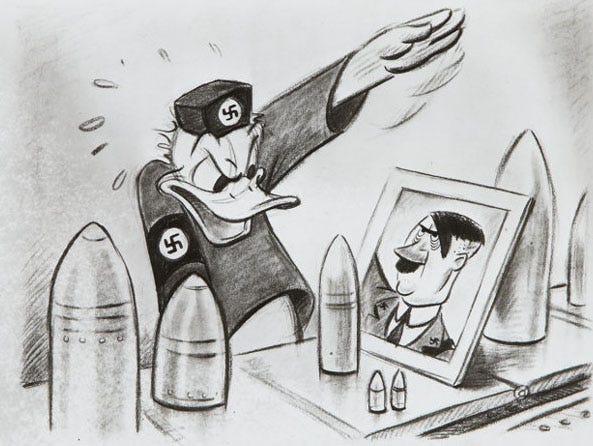
How Socialist were the National Socialists? Part 2
The Nazi Economy
open.substack.com
I really hope freedom of navigation isn't a historical thing my kids learn about in school.

After Hormuz, Southeast Asia Sees the Potential Value of Tolling the Strait of Malacca | Council on Foreign Relations
Joshua Kurlantzick is senior fellow for Southeast Asia and South Asia at the Council on Foreign Relations. Iran has suffered enormous infrastructure damage since the start of the war in late February, yet the country remains resilient. As I noted in a prior article, the regime’s survival has been due in part to assistance from […]
cfr.org
Sarah Skwire on political theory, alliances, power, and also dragons.

The Enemy of My Enemy Is a Really Big Dragon
When political theory meets horror, do not call up that which you cannot put down. Sarah Skwire discusses Joe Hill's novel King Sorrow, "a deliciously gory and smart bit of horror" that also brings lessons about the enemy of your enemy.
liberalism.org
As advertised.
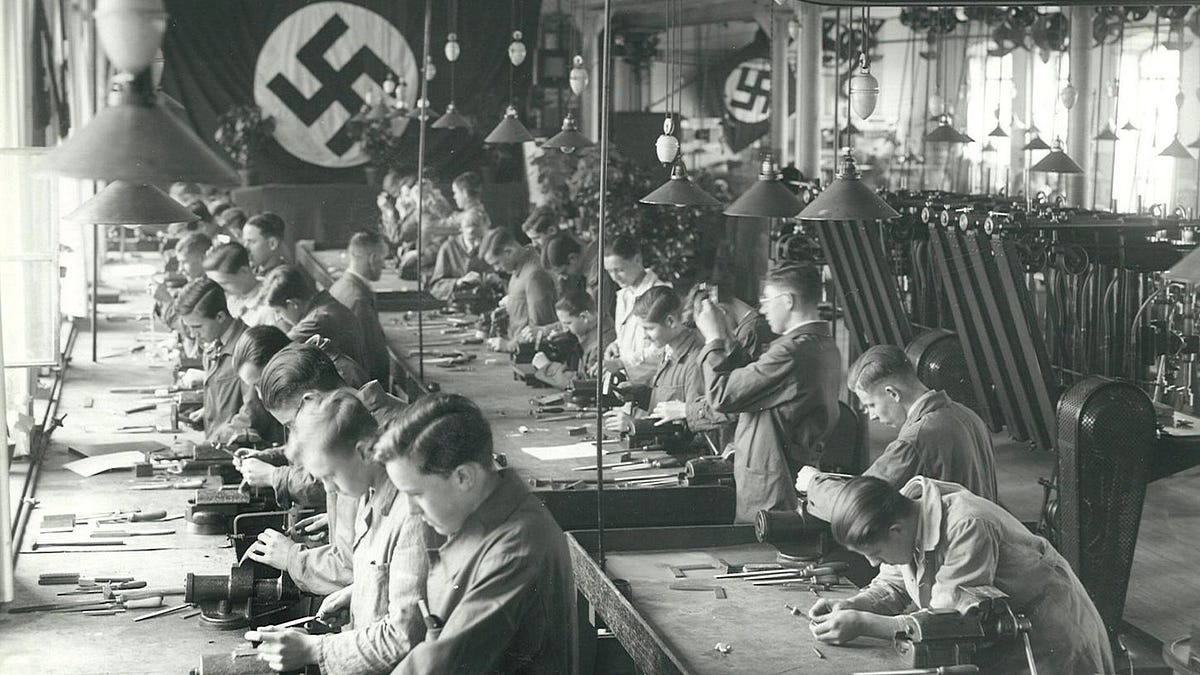
How Socialist were the National Socialists? Part 1
An Endless "Debate"
unpopularfront.news
Long and worthwhile, especially worthwhile if you spend time thinking about academia.
Political Science In the Polycrisis
My keynote talk to an online APSA conference
musgrave.substack.com
This is also excellent, and the kind of thinking we'll need for libertarianism to remain a coherent concept given *waves hands* all this.
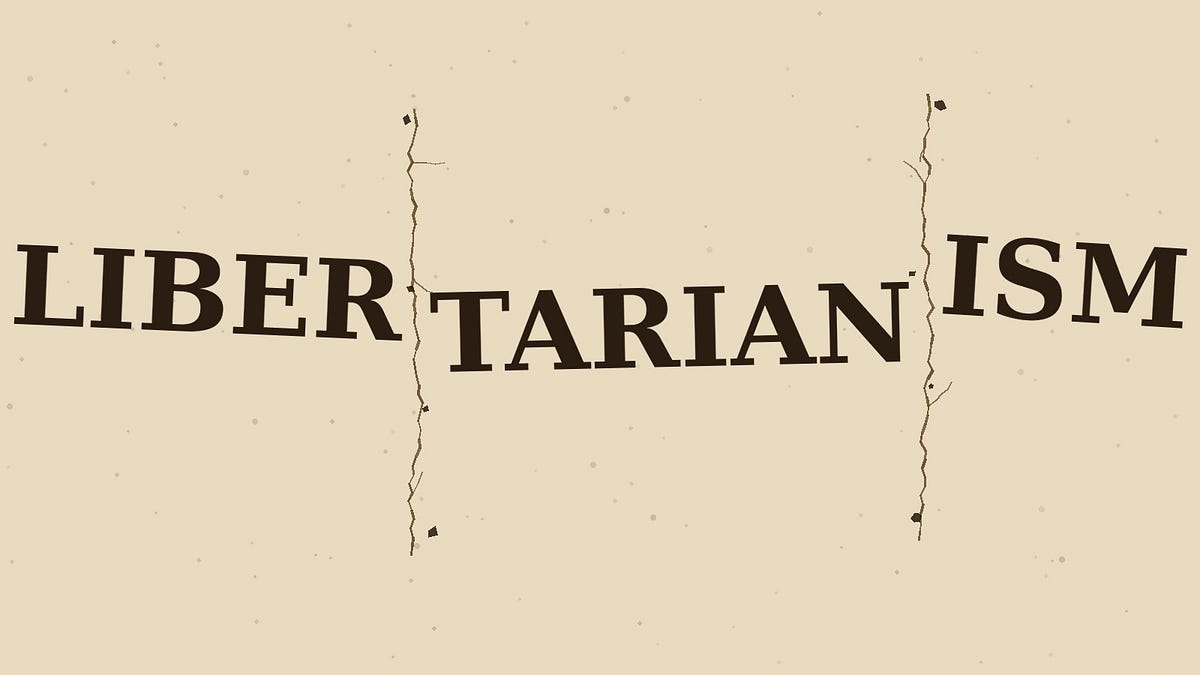
The Myth of Libertarianism
Tribe first, theory later
bleedingheartlibertarian.substack.com
A recent Liberalism.org post from the OG bleeding heart libertarian Matt Zwolinski. Very happy to see libertarians reckoning with the problems of power that come with severe wealth inequality.

The Power of Wealth
In every political system, wealthy and powerful people will try to write the rules to favor themselves. Liberal democracies should use a range of policy tools to resist elite capture.
liberalism.org
I wake up every day and check the headlines in case someone's been nuked because Trump has a tantrum overnight. I'm sure this is taking a toll, but I don't see the grown-ups in the room with the big red button to make it feel less likely. It's the never ending stupid Cuban Missile Crisis.
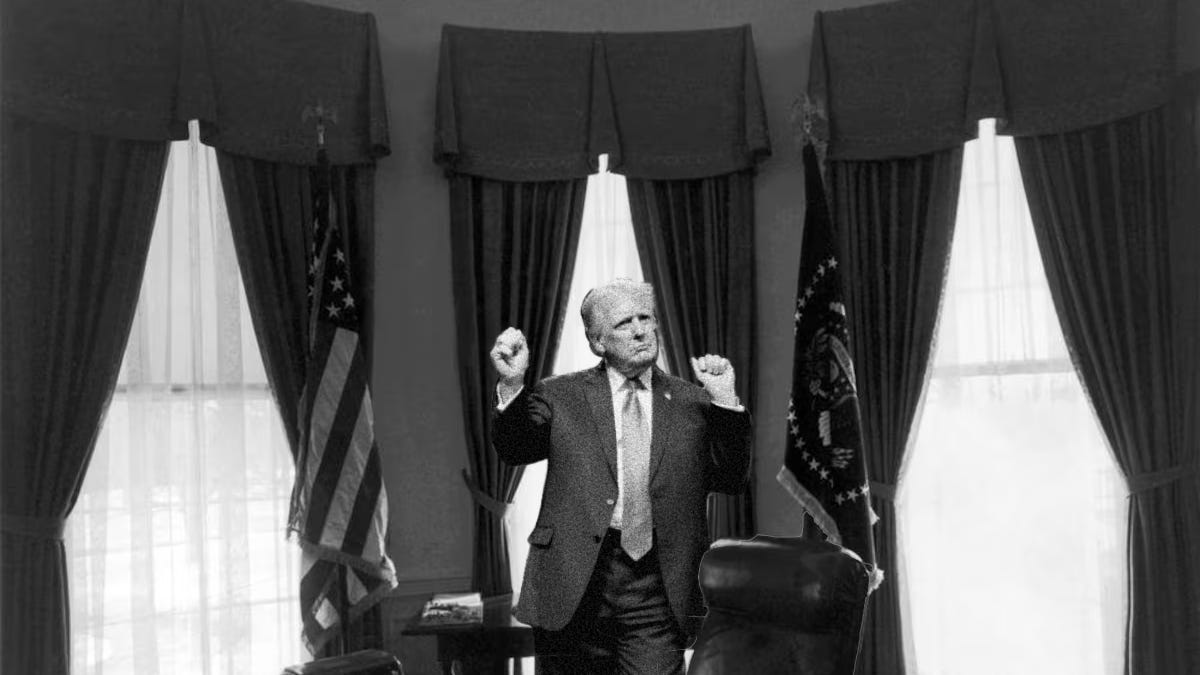
The Stupid Cuban Missile Crisis
Donald Trump is unfit for office. He might do genocide before Congress recognizes that.
bugeyedandshameless.com
I have been thinking back on this piece about writing lately. "Writing is about being in touch with your feelings. At the absolute core of it, it is about feeling something yourself, realising others may do too, and basing your work around that moment. It's about having confidence in your feelings and the manner in which they might be shared. It's a process that is conducted entirely on your own, but which demonstrates the extent of your bonds with those around you."

How to write
Everything is interesting. Absolutely everything.
open.substack.com
This piece by Kevin J. Elliott is also a good one to read with my article from Thursday.

If Liberals Get Tougher, What Will They Become?
If American liberals deploy aggressive tactics against the right, will they lose what makes them good?
liberalism.org
Sarah Skwire's first piece at Liberalism.org is, along with mine and Munger's (posted earlier), in conversation in a way I didn't anticipate.

Mini Tacos, Murder, and the Problem of Getting Exactly What We Want
When personalization is king and optimization is everywhere, fiction has lessons about where to stop.
liberalism.org